From Lucite to Legacy
How Deal Toy Materials Help Tell a Story
Every deal toy begins with an idea.
That idea determines the shape, the flow, the message, and only then the material.
Lucite, crystal, resin, and metal each bring their own history and capabilities, but they are tools, not the meaning itself.
This article explains how each material evolved, what it can communicate, and how an experienced designer chooses the right one to support the story a deal toy is meant to tell.
If you’ve ever wondered why certain deals are recognized with Lucite, others with crystal, or why some pieces incorporate sculpted or mixed-media elements, the answers are here.
What You’ll Learn
How Lucite, crystal, resin and metal evolved into deal toy materials
What each material communicates in a design
Why material should support the design, not drive it
How hands-on production knowledge shapes smarter choices
Materials Don’t Make the Story. They Help You Tell It.
One of the biggest misconceptions about deal toys is that the material is the starting point. This pitfall has tripped up many deal toy designers over the years, and it continues to be an all-too-common problem.
In practice, the process actually works the opposite way.
The most effective and talented designers in the industry start with the story of the transaction, what happened, who was involved, what matters most, and what visual cues will resonate.
Only after that does material come into play.
The goal is not to choose Lucite because it’s familiar or crystal because it feels premium.
The goal is to choose the material that supports the design and communicates the right tone. This is why manufacturing knowledge matters.
Different materials behave differently in real production environments.
Understanding those differences ensures the final piece is beautiful, stable, and visually appropriate.
Where Manufacturing Bias Distorts Material Choice
There is another pitfall most clients never see.
Some deal toy suppliers are tied to a single factory or a narrow set of production capabilities. Sometimes this happens because they own a factory (or a factory owns them). Sometimes it is simply convenience, sending every project to one partner who only works in certain materials.
When that is the case, the design is not shaped by the story of the deal.
It is shaped by the limitations of the factory.
That is not real material selection.
True expertise requires breadth. Designers who have worked in Lucite casting facilities, crystal workshops, resin studios, and metal foundries understand how each material behaves in real manufacturing environments. They know what is possible, what is risky, and what will stand the test of time.
This independence creates value for the client.
“The material should be chosen because it serves the design, not because it’s the only option a factory can produce.”
Lucite – From Industrial Workhorse to Storytelling Medium
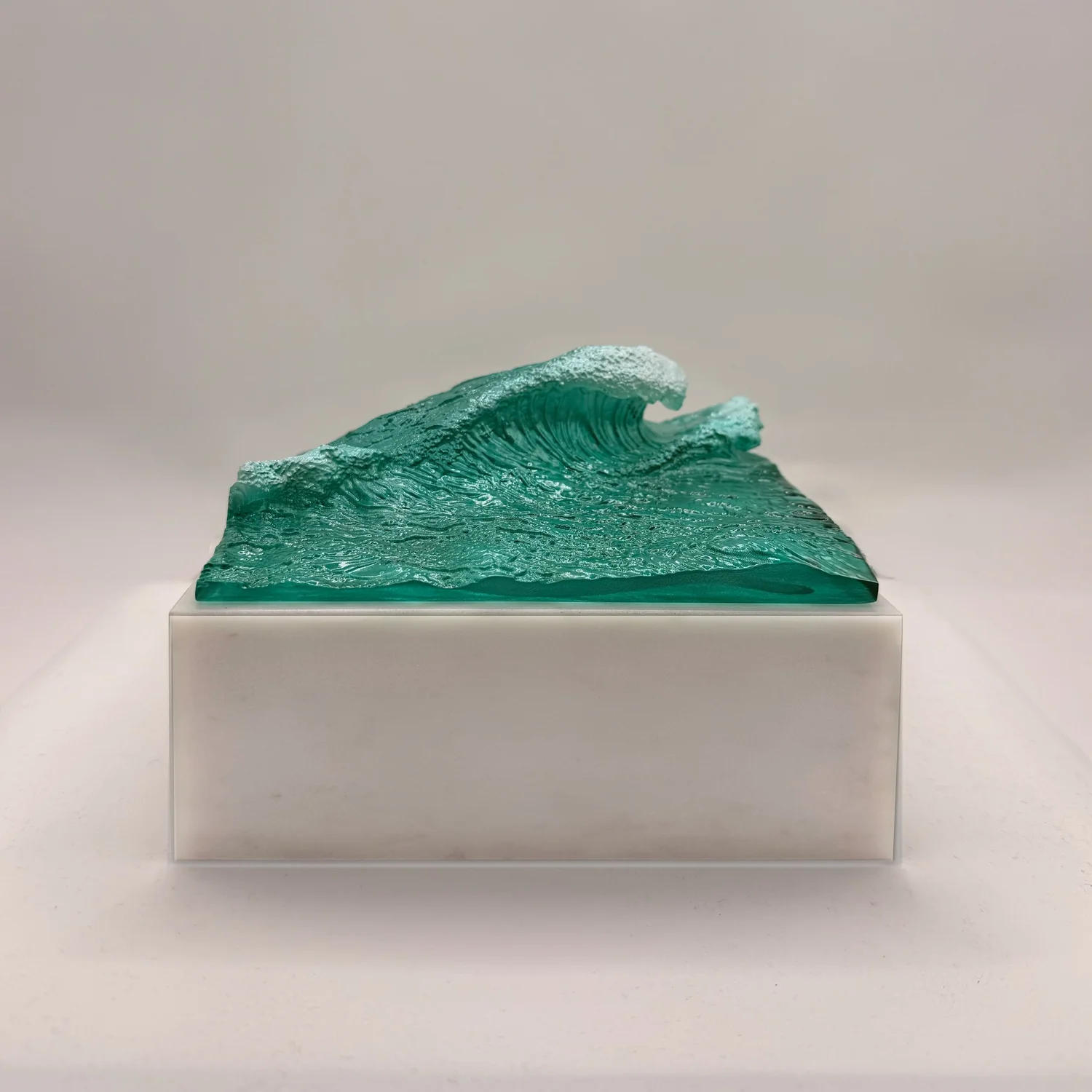
Lucite (cell-cast acrylic) began not in corporate offices, but in wartime factories. It was engineered for aircraft canopies, submarine periscopes and industrial components requiring strength without distortion
After the war, its optical clarity made it perfect for early embedments. Coins, electronics, hardware, and artifacts were sealed inside blocks to preserve and display them. This laid the foundation for the modern financial tombstone.
What Lucite Brings to a Deal Toy
A thoughtful design might choose Lucite because it offers:
exceptional clarity
modern, minimal aesthetics
the ability to embed objects or colored panels inside a block
That last capability is especially meaningful. Over the years, Lucite has proven incredibly effective for embedding objects such as:
medical vials
oil droplets
commemorative coins
custom miniature metal figures
circuitry or product components
These examples illustrate an important point: Lucite is not meaningful on its own. But when used intentionally, in support of a specific design and a specific message, it becomes one of the most versatile media available. When Lucite is chosen because it serves the story, it carries symbolic value that is powerful and enduring.
Material choices are most effective when they support an underlying design intent, a relationship explored more directly in Design vs Material: What Makes It Meaningful.
For a deeper look at one material in practice, see How Deal Toys Are Actually Made – Lucite Edition.
Crystal – Precision, Structure, and Light
Before deal toys existed, crystal was already a material of ceremony. Its weight and sharp edges conveyed formality.
Laser etching transformed it further. Designers could now incorporate:
internal 3D forms
architectural etching
structural motifs
deep branding elements
Crystal doesn’t automatically elevate a deal toy. But for a design centered on clarity, precision, or structure, it becomes a powerful medium.
A crystal deal marker is heavy and feels substantial in hand. Crystal deal toys come in premium gift boxes, further elevating its perceived value as a corporate gift.
Resin and Metal – The Rise of Mixed Media Storytelling
As deal toys evolved, so did the desire for specificity. Designs began representing facilities, machinery, pipelines, products, mascots, brand elements, and key assets being acquired.
Resin and metal opened those doors.
Resin as a Sculpted Storyteller
Resin is ideal for:
detailed sculpted forms
color-matched branding
models of assets or equipment
figurative or abstract elements
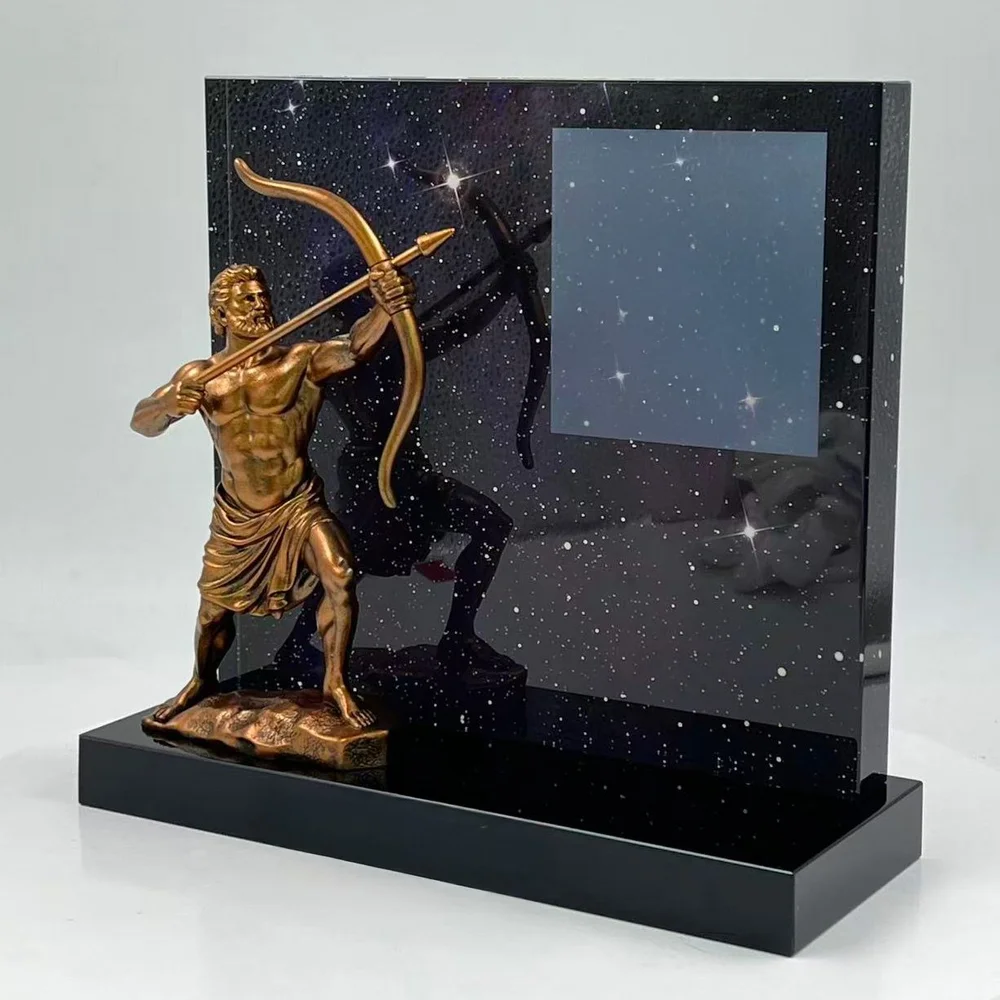
A resin element often accompanies a Lucite or crystal panel, letting the design highlight what matters most. But resin only works when the design benefits from three-dimensional storytelling.
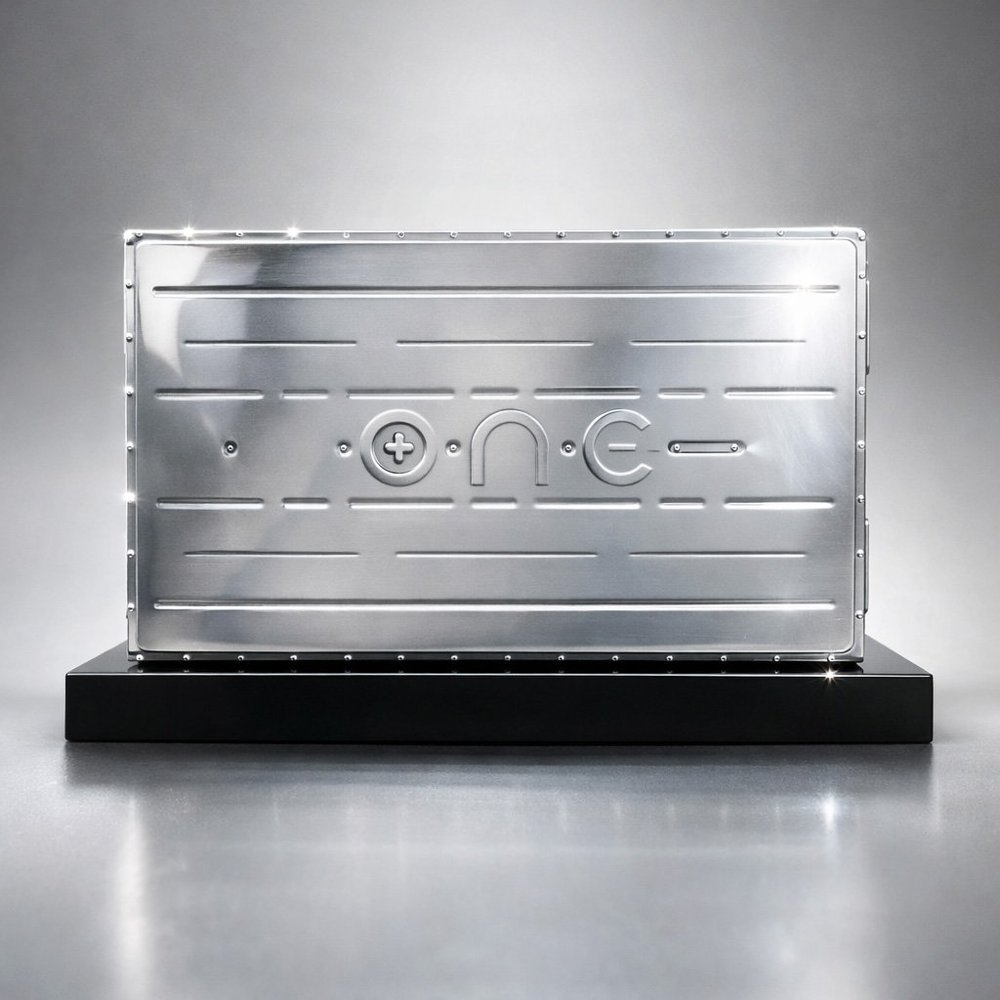
Metal for Structure, Weight, and Heritage
Metal adds:
physical weight
texture
industrial or historical cues
contrast against clear materials
It can be cast, machined, cut, or plated. Metal becomes part of the vocabulary when the design needs strength or stability.
Metal is also an excellent choice when a premium 3D figure is required, especially when the design includes thin, extended, or structurally delicate elements that might be too fragile in resin.
For example, we once developed a deal toy featuring a cowboy on a bucking bronco, loosely inspired by the dynamic forms of Frederick Remington sculptures.
A resin figure could have been produced and finished in a bronze patina, but the horse’s forward-leaning posture and thin front legs would have created structural vulnerabilities over time.
In this case, casting the figure in metal ensured durability, balance, and detail integrity.
It is a clear illustration of the larger principle: design should determine the material, not the other way around.
Mixed Media – When Materials Work Together
The most compelling deal toys rarely rely on one material alone.
A well-designed piece might combine:
a Lucite panel for clarity
a resin model for narrative detail
a metal accent for permanence
a crystal element for light play
When these choices are intentional, materials become the supporting cast. When they’re not, the piece feels cluttered or confused.
Choosing the Right Material in Practice
A professional designer evaluates materials by asking:
Does this material reinforce the concept?
Does it behave well in production for this shape and size?
Will it age well on a desk or shelf?
Does it highlight the work behind the deal?
Is the design serving the material, or is the material serving the design?
This is the difference between a piece that feels thoughtful and one that feels generic.
The Role of Expertise in Material Selection
Understanding casting, machining, molding, polishing, bonding, laser work, and structural stability ensures that:
the chosen materials behave predictably
the design can be executed cleanly
the final piece looks the way it was intended
nothing fails, cracks, delaminates, warps, or discolors over time
Very few people in the deal toy industry have worked in resin factories, Lucite casting facilities, or crystal workshops. That hands-on experience is what allows the Deal Toy Expert to give unbiased guidance rooted in real production knowledge.
Final Thought – Material Matters, But Design Leads
Materials are part of the story, but they are not the story. The meaning comes from the design. The material supports it.
Used with intention, Lucite, crystal, resin, and metal become the vocabulary that brings a thoughtful concept to life.
Used without intention, they become decoration.
If you are planning a deal toy project and want help evaluating concepts or materials, the Learning Center exists to give you the knowledge you need to make informed decisions.