
Manufacturing / Metal
How metal deal toys are made.
The form matters. So do the surfaces, joints and finishing decisions that bring it into focus.
The short answer
Metal deal toys can be cast, machined, cut or assembled from several components. The appropriate method depends on the shape, detail, quantity and finish. A metallic appearance alone does not establish the underlying material.
Choose the construction, not just the finish.
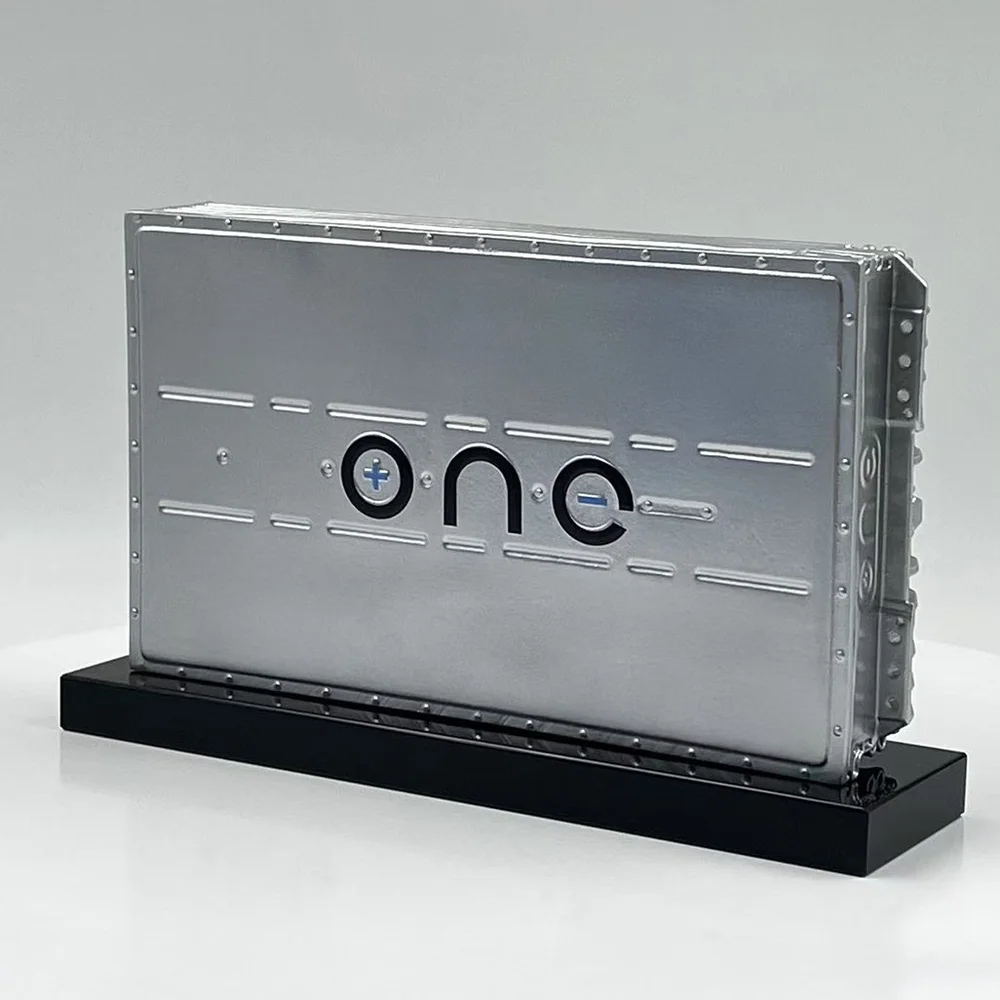
Metal is useful for sculptural subjects, precise components, mechanical references and contrasting details. Different metals and alloys support different processes. The finished appearance may also involve plating, coatings, polishing or patination.
Specify both the base material and the finish when they matter to the project. A bronze-colored object should not be described as solid bronze unless that is what it is.
Develop a model that can be made.
Reference images, sketches and digital models establish the intended form. Small features need enough substance to be produced and handled. A projecting arm, thin rail or narrow attachment may require a separate part or a change in proportion.
The production team considers how material will enter the mold, where seams can be cleaned, and how components will join. For fabricated or machined work, the questions may instead center on cutting, access and assembly.
Match the method to the geometry.
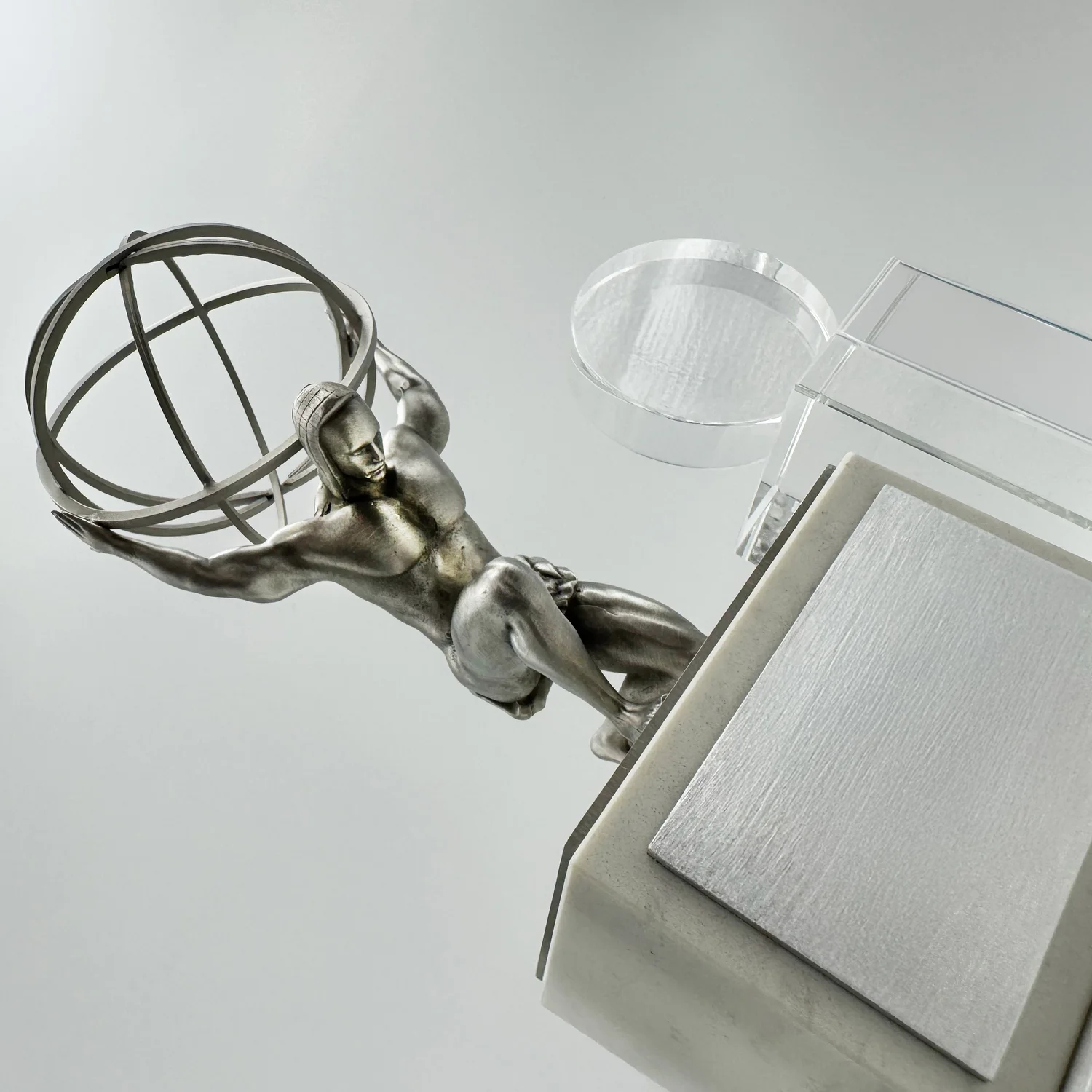
Investment casting, also called lost-wax casting, can support complex sculptural shapes. Spin casting can suit certain alloys and detailed components. Other designs may be better made from machined stock, cut sheet or assembled parts.
There is no single metal process that applies to every deal toy. Tooling and setup must make sense for the quantity, and the manufacturing partner should recommend a method appropriate to the design.
Refine the surface.
Casting establishes the form, but it does not settle every visible detail. Depending on the process, cleanup removes unwanted material, refines seams and prepares the surface for the chosen finish.
Polished, brushed, textured and matte surfaces handle light differently. A prototype should show the intended treatment, especially when adjacent components need to look consistent.
Resolve the assembly.
A sculpture on a clear or stone base needs more than a compelling silhouette. Attachment points, alignment, balance and packaging must be considered together. The finished piece has to stand securely and reach its recipient intact.
The prototype is the point to check how the form, finish, lettering and base actually work together. At Polaris, that physical review takes place before authorizing the full production run.
Questions, answered.
Is a metal finish the same as solid metal?
No. Plating and coatings can create a metallic appearance on different underlying materials. Confirm the specification if the distinction matters.
Can metal be combined with crystal or acrylic?
Yes. Mixed constructions can pair a metal subject with a clear panel or base. Alignment, attachment and stability need to be designed together.
Does every metal design require casting?
No. Some shapes are better suited to machining, cutting or assembly.
Keep exploring.
Put the ideas to work
Have a deal worth remembering?
Share the achievement, audience, quantity, timing and budget. You do not need a finished concept.
Ask John a question →For commissioned projects, I work with the creative team at Polaris Custom Awards.